Q: Is this the official website of the Orthodox Church in Japan?
A: No, it isn’t. This is not the official website—just yet another unofficial one.
Q: Where’s the official site?
A: Here → https://orthodoxjapan.jp/
Q: Is Orthodox Church protestant?
A: No!
Q: Is it Catholic?
A: No! It is not Roman Catholic Church. But it is universal (catholic) church.
Q: Is it Orthodox?
A: Exactly!
Q: Will I meet a wonderful partner if I become an Orthodox member?
A: Yes, you might!
Q: Really?
A: Yes, but I think it depends on the individual.
Q: How many members of the Orthodox Church are there in Japan?
A: Apparently there are just under 10,000 Japanese believers.
Q: What do you believe?
A: We believe in one God and confess the Niceno-Constantinopolitan Creed.
Q: What is Pascha like in the Japanese Orthodox Church?
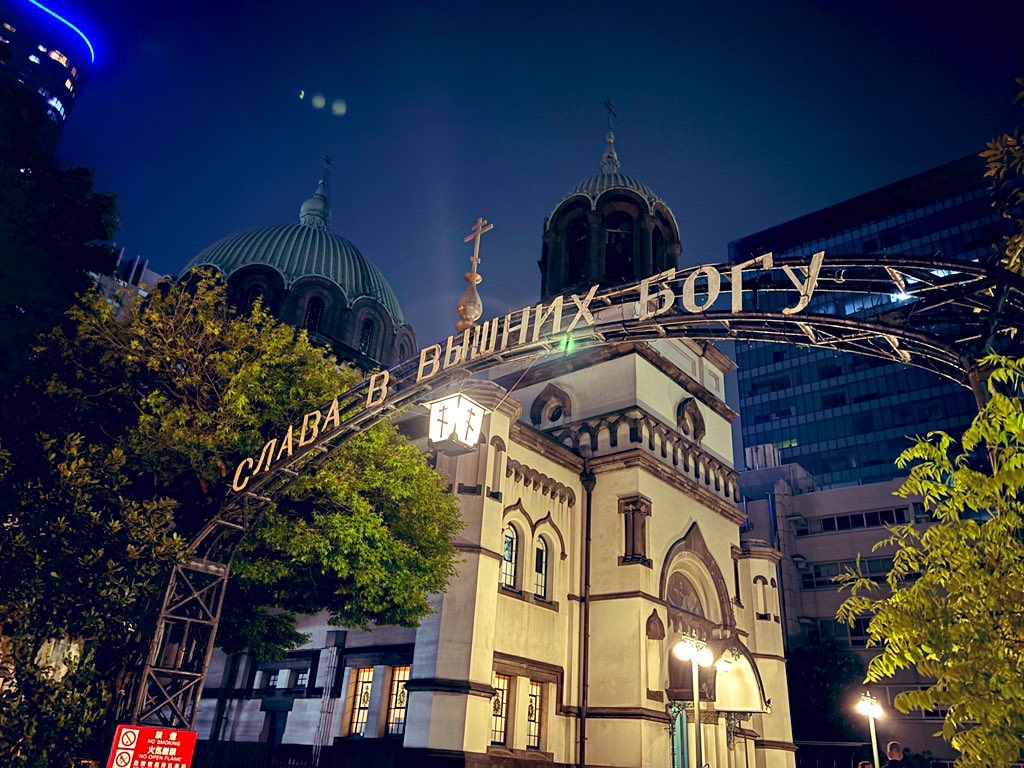
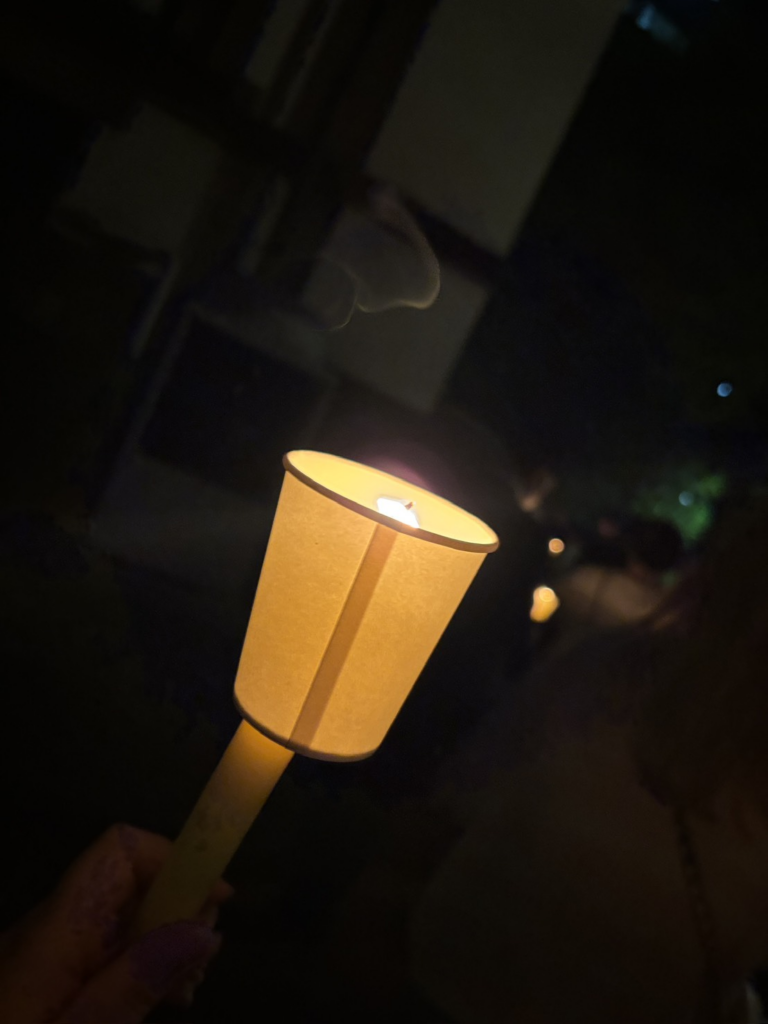
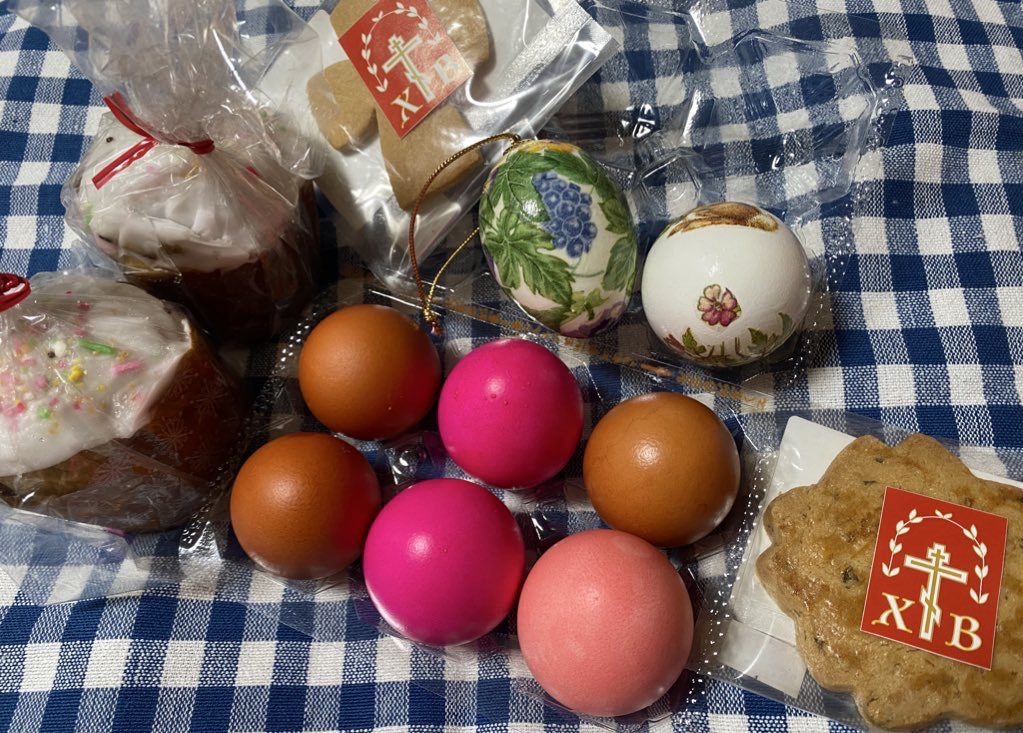
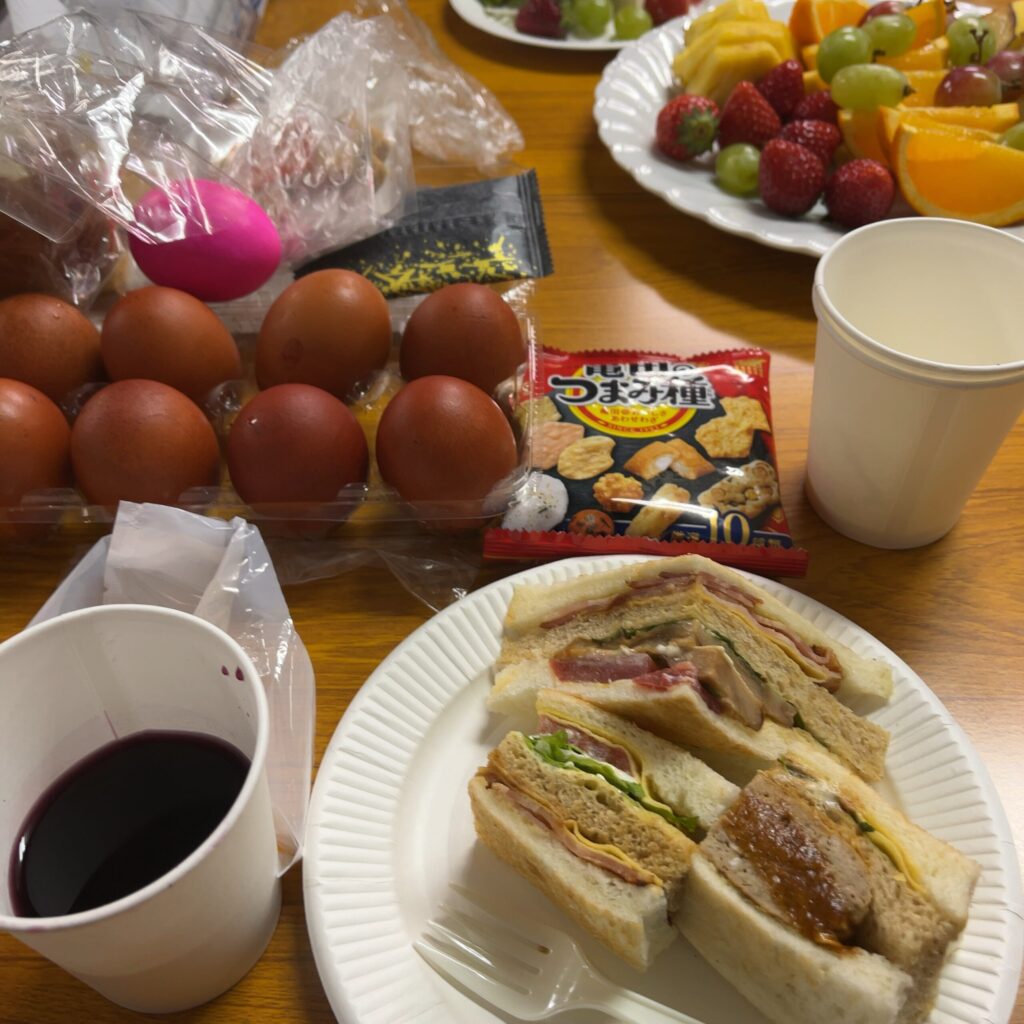
A: Tokyo is pretty crowded, but outside Tokyo most churches are small, so there aren’t many people. Just like in other countries, we light candles inside and outside the church, bless eggs and sweets, and exchange Paschal greetings. That said, it’s a bit sad, but there usually aren’t any services during Bright Week. That’s mainly because there aren’t many people, so it’s hard to gather a congregation. Also, many churches outside Tokyo don’t have a resident priest, so they often can’t celebrate Pascha on the exact calendar date. Instead, Pascha is celebrated on a different day.
Q: What languages are services held in at the Orthodox Church in Japan?
A: Basically, the services are in Japanese. We also use a little Church Slavonic and some English. There aren’t many priests who can speak English, and there are even fewer who can speak Russian. Priests who can speak Greek are also quite rare.
So if you need to communicate something important, it’s a good idea to use a translator or contact the church in advance by email.
Q: Are there any ways to serve at the church?
A: Sure! You can help with things like cleaning the church, serving as an altar boy, helping at the front desk, or singing in the choir.
Q: I want to receive baptism. I’d like to request prayers such as a wedding service, moleben, panikhida, or a funeral.
A: It’s best to contact the office of the nearest church where a priest is regularly present and make your request there.
Q: About how much is the usual donation for these services?
A: Please contact the office of the nearest church where a priest is stationed and ask them directly. If the amount you’re told seems too high and you feel you can’t afford it, don’t give up and talk with the priest. It may be possible to reduce the cost by keeping the service simpler and smaller. However, it probably can’t be completely free. Churches in Japan are small and receive no government support, so funds are needed to maintain and run them. Thank you for your understanding.
Q: I’d like to pray at the church on a weekday, but is it open?
A: Because there are few people in Japanese churches, they are often closed on weekdays for security reasons. If you contact the church in advance, they may be able to open it for you.
Q: Are funerals cremations, or is burial possible?
A: In the Orthodox Church in Japan, cremation is the general rule. If you wish to have a burial, you will need to secure a cemetery that allows burials, such as The Yokohama Foreign General Cemetery in the Tokyo metropolitan area. Please consult the priest in charge for details.
Q: What kind of meals are recommended for fasting in Japan?
A: In Japan, fasting is not observed very strictly. In most cases, people simply refrain from eating animal meat such as pork, beef, or chicken. It is quite difficult to follow the fast in a rigorous way. For example, bread made without dairy products is rarely sold in stores, so you would need to bake it yourself or make do with what is commercially available. Strictly speaking, seafood is also prohibited, but in Japan vegetables tend to be less nutritious while seafood is abundant, so many people substitute seafood for meat as a practical compromise. Soy milk, which can replace regular milk, is easily available, and margarine is inexpensive and easy to obtain as well. If you wish to observe the fast more strictly, traditional Japanese food is actually well suited to it. It is recommended to eat things like rice, tofu, natto, vegetables, and seaweed, as well as miso that is not flavored with fish extract, even though such miso may not taste as good.
Q: What happens if I become a member of the Orthodox Church in Japan?
A: You are encouraged to participate in the services of the Church. If possible, please also offer your service to support the Church. In addition, according to the custom of the Orthodox Church in Japan, members are asked to make a regular monthly donation. Since the Church in Japan receives no financial support from the government, these monthly contributions are necessary for the maintenance and operation of the Church. For details regarding the amount of donations and registration as a member, please consult your parish priest.